Have you ever heard about endometriosis radiology? It sounds like a big word, but don’t
worry — we’re here to explain it simply. Many girls and women suffer from a painful
condition called endometriosis. It happens when tissue that acts like the lining of the
uterus grows in the wrong places, like outside the uterus, often in the pelvic area. This
condition can cause a lot of discomfort. In this blog we’ll talk about what is
endometriosis, the symptoms, risk factors and how radiology helps in finding and
managing it.
What is Endometriosis Radiology?
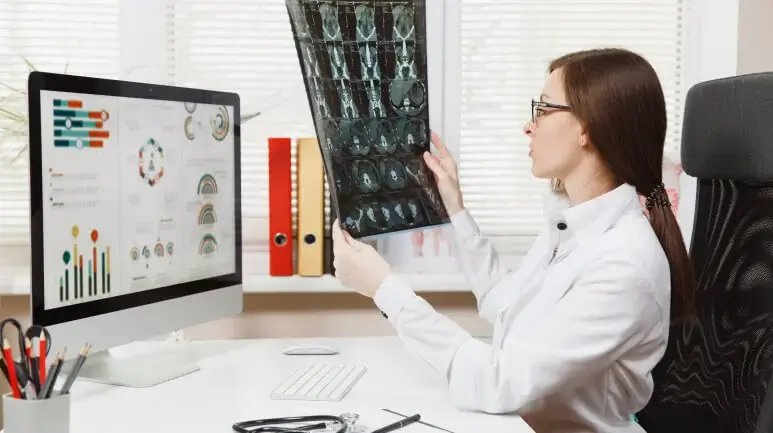
Endometriosis radiology involves the use of imaging tools, such as ultrasound or MRI,
to detect endometriosis in the body. Doctors use these tools to look inside your body
and check where the endometrial-like tissue is growing. This is important because
endometriosis often hides deep in the body, and you can’t see it from the outside.
But what is endometriosis? It’s a condition where tissue, similar to the endometrium
(the lining inside your uterus), grows outside the uterus. This tissue can grow on the
ovaries, fallopian tubes, bladder, and even the intestines. Just like the normal lining, this
tissue thickens, breaks down, and bleeds during your period. But since it’s outside the
uterus, it has no way to leave the body. This can cause swelling, pain, and scarring.
There are also rare types like scar endometriosis, where this tissue grows in or around
a scar after surgery like a C-section.
Symptoms of Endometriosis Radiology Can Detect
The symptoms of endometriosis can be different for each person. Some have very
strong pain, while others may not feel much at all. Here are some common
endometriosis symptoms:
● Very painful periods
● Pain during sex
● Pain when using the bathroom
● Heavy bleeding during periods
● Trouble getting pregnant
● Tiredness or fatigue
● Pain in the lower back or belly
● Bladder issues (called bladder endometriosis when it affects the bladder)
If you feel any of these signs, it’s important to see a doctor. They might use
endometriosis radiology to help find out what’s wrong.
Risk Factors of Endometriosis
Anyone with periods can get endometriosis, but there are some things that can raise
your chances. These are called risk factors:
Starting periods at a young age
● Having very short menstrual cycles (less than 27 days)
● Heavy periods that last more than 7 days
● Family history of endometriosis
● Never having children
● Health problems that stop the flow of menstrual blood
These risk factors don’t mean you will get endometriosis, but it’s good to be aware.
How Can Endometriosis Be Managed?
You might wonder, can endometriosis be cured? Sadly, there is no full cure yet, but
there are ways to manage the pain and improve your life. Treatments depend on how
serious the symptoms are. Here are some common ways to help:
1. Medicines and Hormones
Doctors may give you pain relievers and hormone therapy. Hormones can slow or stop
the growth of endometrial-like tissue.
2. Surgery
Surgery is sometimes needed to remove the tissue. But can endometriosis return after
surgery? Yes, it can. That’s why doctors also suggest lifestyle changes and medicines
after surgery.
3. Exercise
Doing endometriosis exercises like yoga, stretching, and walking can help reduce pain
and stress. Moving your body also improves blood flow and makes you feel better.
4. Choosing Birth Control
Finding the best contraception for endometriosis can also help. Birth control pills, IUDs,
or hormonal patches may reduce symptoms by controlling your periods.
5. Pain Management
Still asking, what helps endometriosis pain? Heat pads, warm baths, rest, and good
sleep can help. Talking to a doctor or counselor can also help if you’re feeling stressed
or sad.
Conclusion
Endometriosis radiology is an important way to find and understand endometriosis, a
condition that can cause strong pain and other problems. It happens when tissue,
similar to the lining inside the uterus, grows outside of it. With the help of imaging,
doctors can see the hidden tissue and decide the best way to help you. Remember, while scar endometriosis, bladder endometriosis, and other forms may seem scary, you are not alone. Many people live happy lives by managing their condition with care, medicine, and support. Whether it’s using the best contraception for endometriosis, trying endometriosis exercise, or finding ways for what helps endometriosis pain, there are solutions that work. If you or someone you know has signs of endometriosis, talk to a doctor and ask about endometriosis radiology. It could be the first step to feeling better and living pain-free.